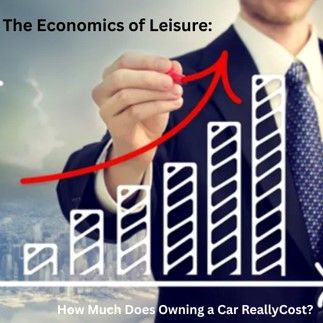
The Economics of Leisure
How Much Does Owning a Car Really Cost?
Source: M Rent
For modern people, a car is no longer a luxury—it has become a necessity. It plays an essential role in our daily lives, whether for work, holidays, or personal commitments. Owning a car has always been associated with freedom. But have you ever stopped to think about how much that freedom actually costs once you add up all the expenses at the end of the year?
Taxes, insurance, motorway toll stickers, seasonal tyre changes, depreciation, and unexpected repairs… We often invest significant financial resources—and plenty of time and effort—into an asset that spends most of its life parked outside our home or office.
According to studies on urban mobility, a privately owned car spends around 95% of its lifetime parked. In other words, we buy a car so that we can drive it, yet for most of the time it simply sits idle while continuing to lose value. Meanwhile, we keep paying for the privilege of owning it. Research by transport expert Donald Shoup, along with subsequent mobility studies, highlights this paradox: the car is one of our most essential assets, yet one of the least utilised in terms of actual time spent in use.
Many car owners underestimate the true cost of ownership. Most people think only about fuel and insurance, overlooking one of the largest expenses—depreciation.
The annual Your Driving Costs study by the American Automobile Association (AAA) identifies depreciation as one of the biggest contributors to the overall cost of owning a vehicle.
Cars typically lose the largest share of their value during the first few years of ownership. The exact rate depends on factors such as the make and model, market conditions, and how the vehicle is used. Yet this loss in value often remains a "hidden cost" that owners only realize when they calculate the total cost of ownership over the course of a year.
Today's world, however, offers a different approach—smart mobility.
Instead of owning a car full-time, more people are choosing to use one only when they actually need it, without taking on all the responsibilities that come with ownership. Across Europe, the flexible mobility market continues to grow as consumer habits evolve.
A new generation of consumers is increasingly replacing the concept of ownership with the idea of access when needed. Modern drivers are no longer simply looking for a car to own; they want a convenient, reliable way to travel from A to B in comfort and safety.
For many people, luxury is no longer about having a car permanently parked in the garage. Instead, it is about having the freedom to choose the right vehicle for the right occasion—whether for a holiday, a business trip, a weekend getaway, or a special experience.
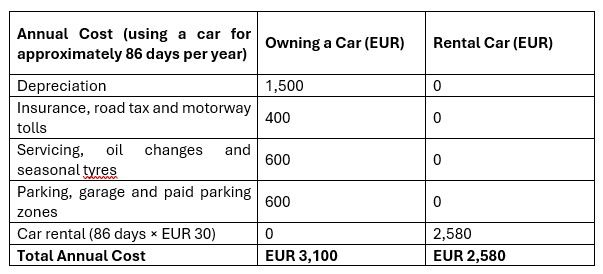
According to an analysis by mobility company M Rent, the annual cost of maintaining a mid-range car in Bulgaria can reach approximately EUR 3,100, depending on the type of vehicle, its age, and how it is used.
While these expenses may seem like an unavoidable part of car ownership, adopting a smarter approach to mobility can significantly change the way we manage our financial resources.
M Rent is more than just a car rental company. It offers peace of mind, freedom of choice, and the opportunity to enjoy every journey without the long-term financial burden of owning a vehicle.
Behind every journey is a personal story—a family holiday, an important business meeting, a work trip, or simply the desire to enjoy a memorable experience.
The company focuses on high-quality customer service, a reliable fleet of modern vehicles, and a personalised approach to every client. Renting a car from M Rent provides flexibility, comfort, and security—advantages that owning a car cannot always guarantee.
A rental car is a practical solution when your own vehicle is being repaired, when you're planning a holiday or business trip, or when you'd simply like to experience driving a particular model.
However, many people still hesitate. Common concerns include:
• "Who can I trust?"
• "Will the vehicle be reliable?"
• "Will the rental process be complicated?"

These concerns often lead people to continue paying to own a car that they rarely use, simply because they are accustomed to the idea of ownership.
In an effort to keep their cars, many owners postpone repairs, reduce maintenance costs, or compromise on other personal priorities. It is also common for people to spend considerable amounts on modifications and upgrades, only to realise later that the enjoyment came at a significant financial cost.
A car is much like a home—if you take good care of it, it will serve you well. But the real question is: does all that responsibility always have to be yours?
This is where our understanding of freedom begins to change.
Owning a car is often seen as a symbol of independence, but it also comes with ongoing responsibilities—maintenance, running costs, depreciation, and the time required to keep everything in good condition.
Car rental offers a different kind of freedom: the ability to drive whenever you need a vehicle, without committing to the long-term costs and obligations of ownership.
With M Rent, your money is not tied up in an asset that continually loses value. Instead, you can use those resources for the things that matter most to you.
You remain in control of your schedule and travel plans, without depending on public transport timetables. At the same time, you drive a modern vehicle that is regularly serviced and maintained to the highest standards.
The rental price includes all the essential administrative costs and insurance, including motorway tolls, third-party liability insurance, and fully comprehensive cover. This significantly reduces unexpected expenses while giving customers added peace of mind through 24/7 roadside assistance.
In addition to short-term rentals, M Rent also offers long-term mobility solutions through both operating leases and financial leasing, providing even greater flexibility for individuals and businesses.
With an operating lease from M Rent, customers can drive a brand-new vehicle for a fixed monthly fee that includes maintenance, insurance, and professional fleet management. This approach reduces the risk of depreciation while avoiding the need to invest a large amount of capital in purchasing a car.
By the end of the year, the numbers often tell a very different story.
For someone who mainly uses a car during their leisure time—for example, if they work from home and drive mostly on weekends—the comparison may look like this:
This comparison shows a potential saving of more than EUR 500 per year when choosing to rent a car only when it is actually needed.
Naturally, this model is most beneficial for people who do not drive every day, work remotely, or mainly use a car for weekend trips and holidays.
The financial benefits go beyond the annual running costs. There is also the question of capital tied up in the vehicle.
Instead of investing around EUR 15,000 in a car that gradually loses value, those funds could be used for other priorities, investments, or meaningful experiences.
So why pay for a car 365 days a year if you only need it for a fraction of that time?
Smart mobility does not mean giving up the convenience of having access to a car. It means using a vehicle in a more efficient and financially sensible way.
When Does Owning a Car Still Make Sense?
Owning a car remains the better choice for people who drive every day, cover high annual mileage, or live in areas where public transport is limited or unavailable.
Ultimately, the decision between owning a car and renting one depends on your lifestyle, your daily needs, and your driving habits.
One thing, however, is becoming increasingly clear: for many people today, freedom is no longer about ownership—it is about having access to the right solution at the right time.
Explore the available options and choose your next worry-free journey at www.mrent.bg.